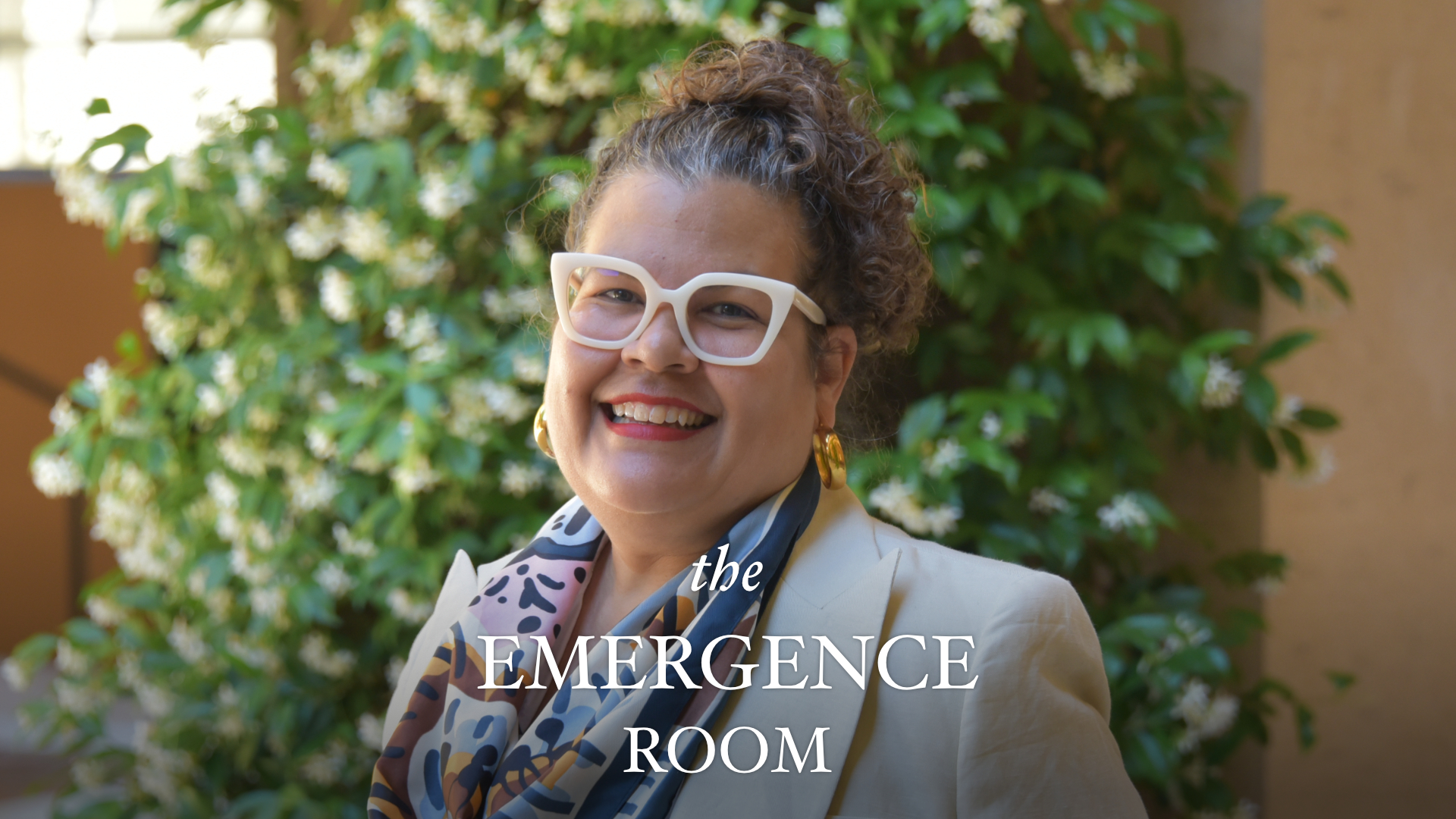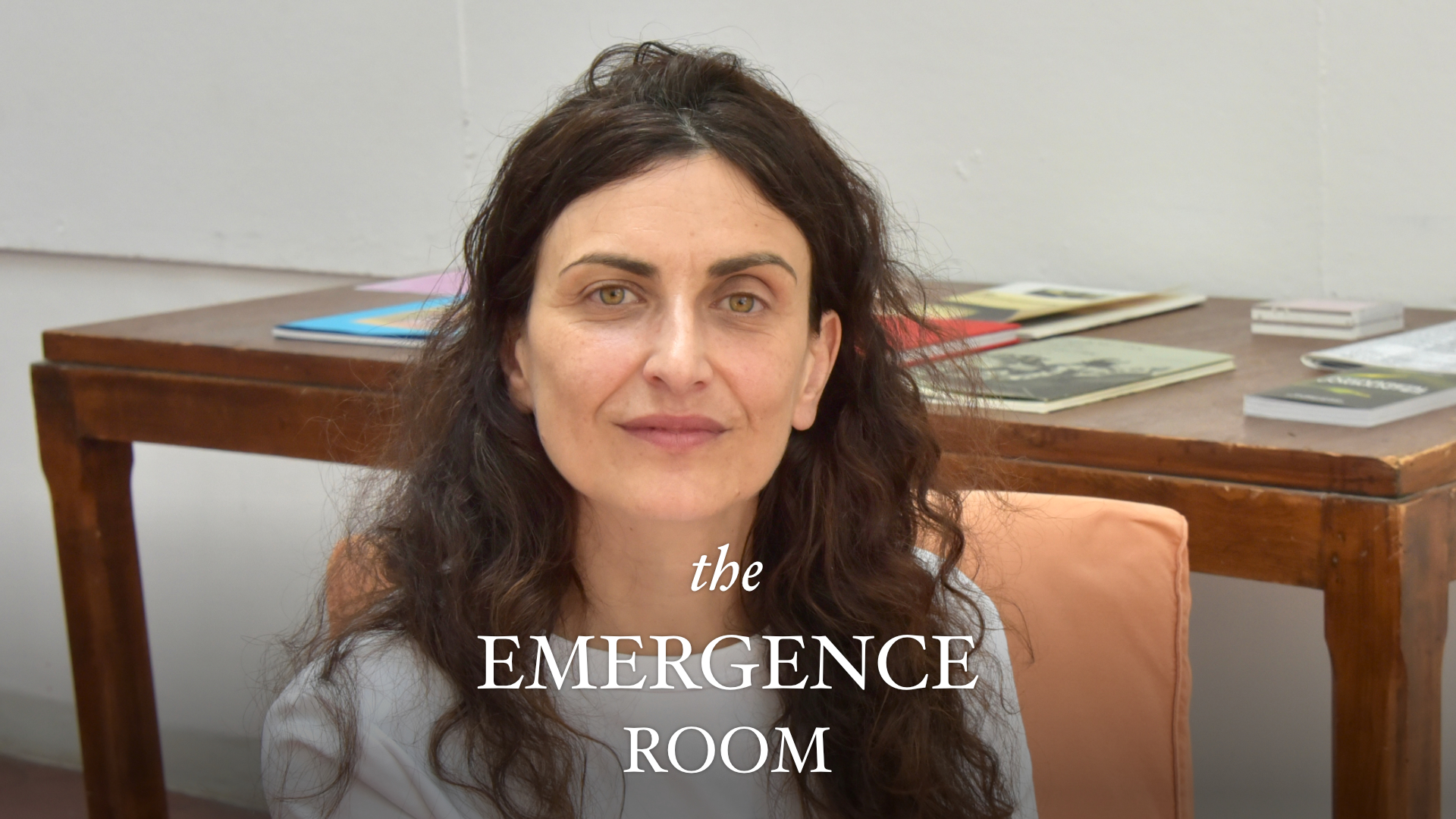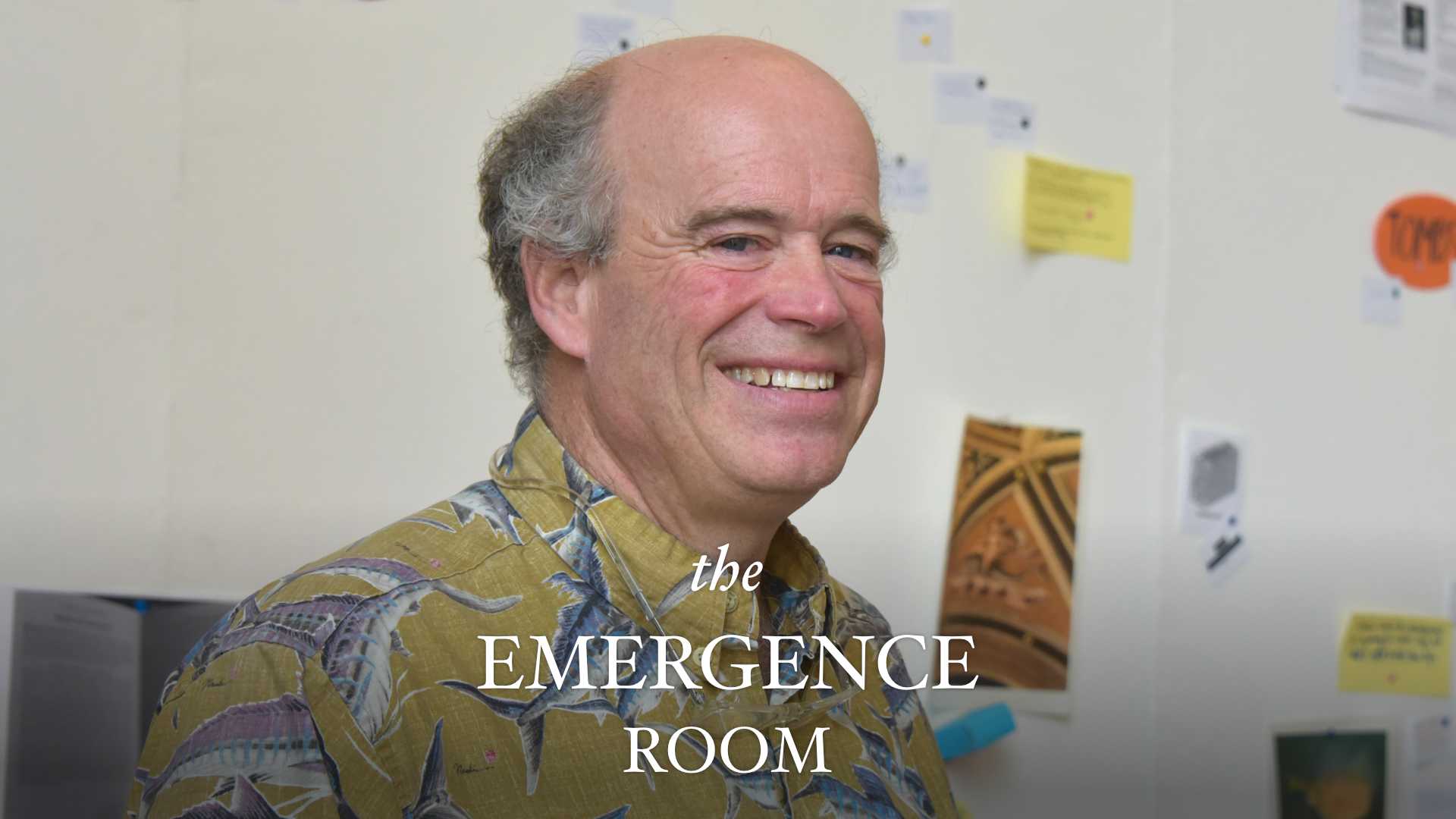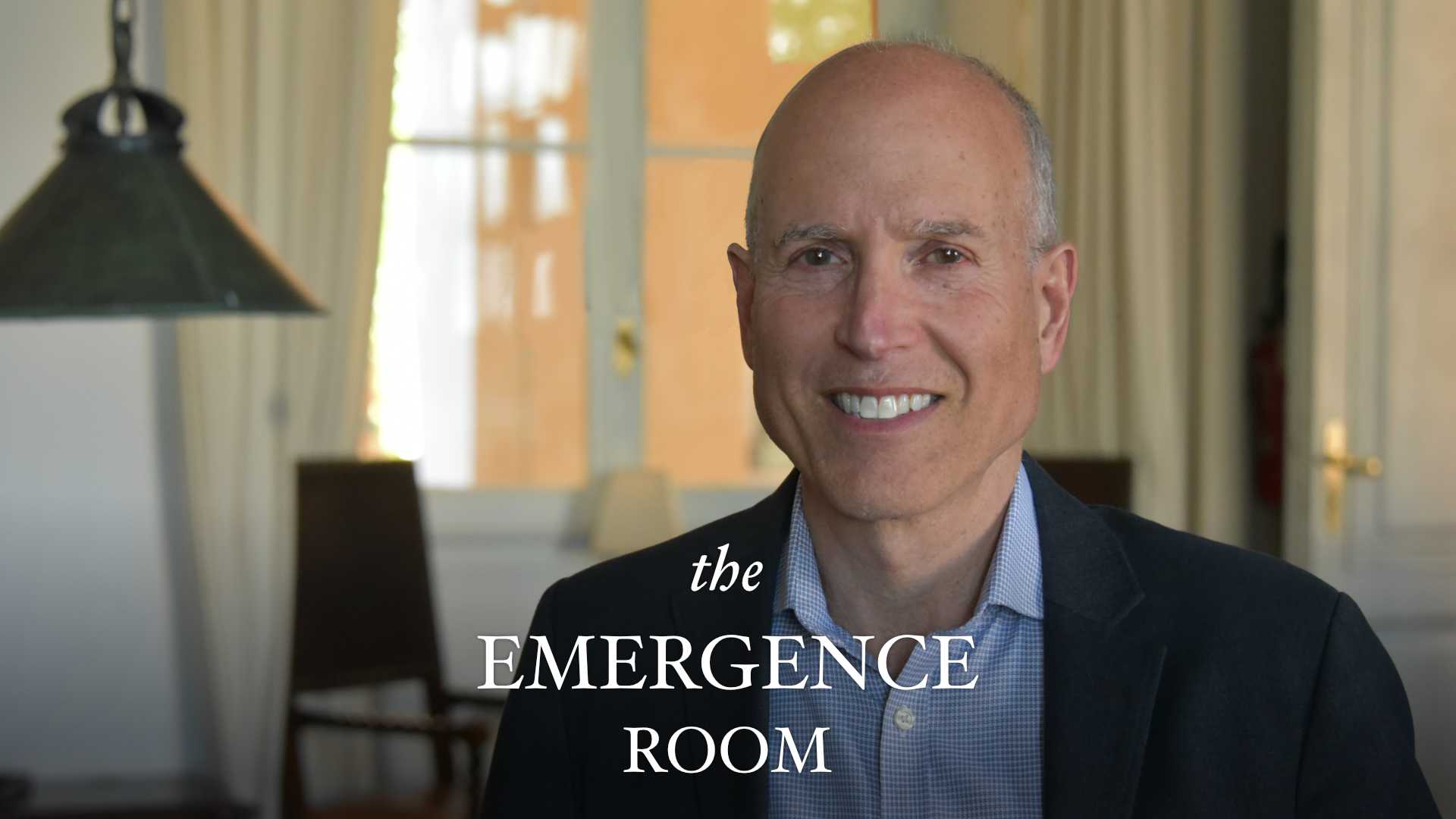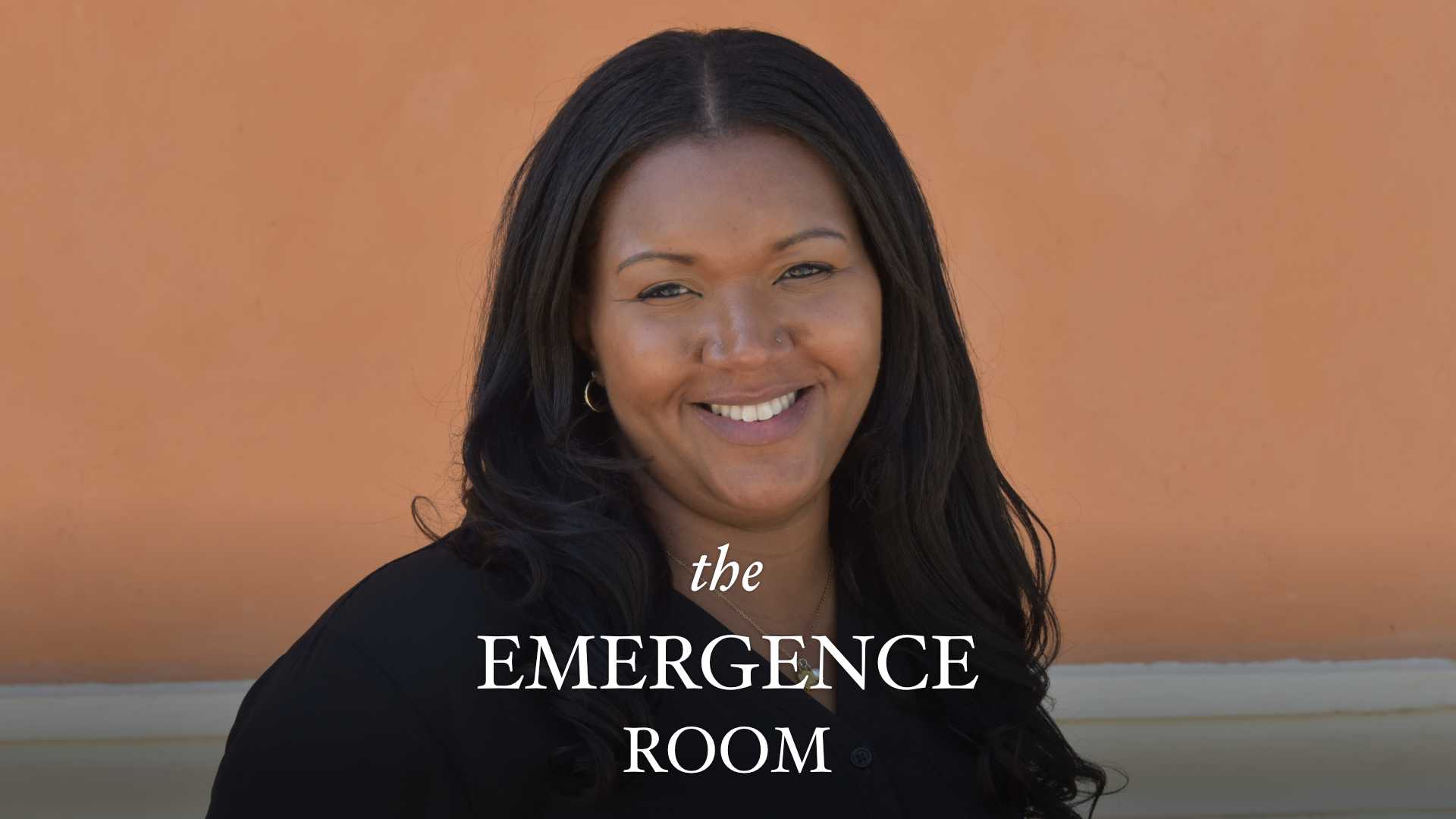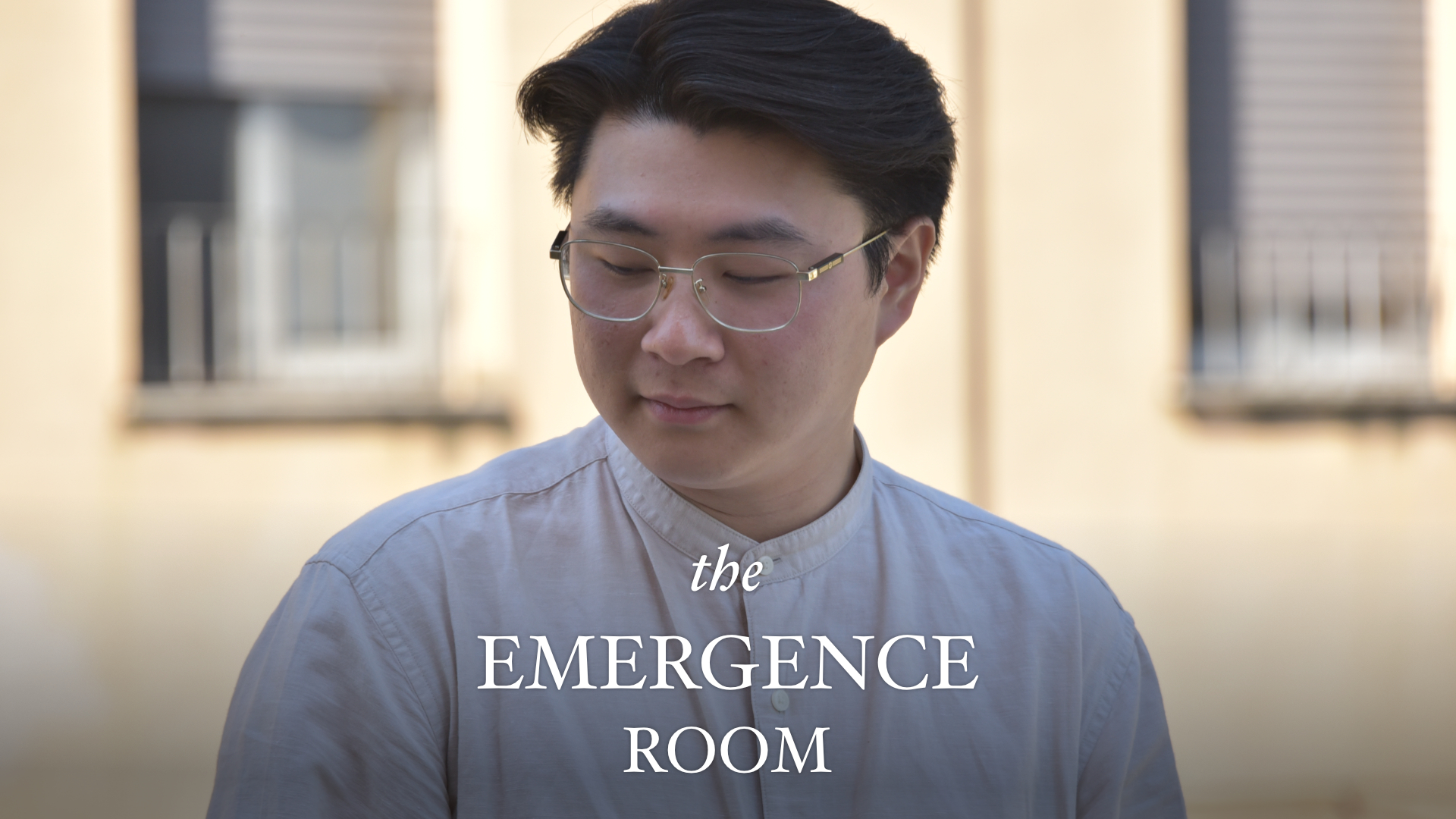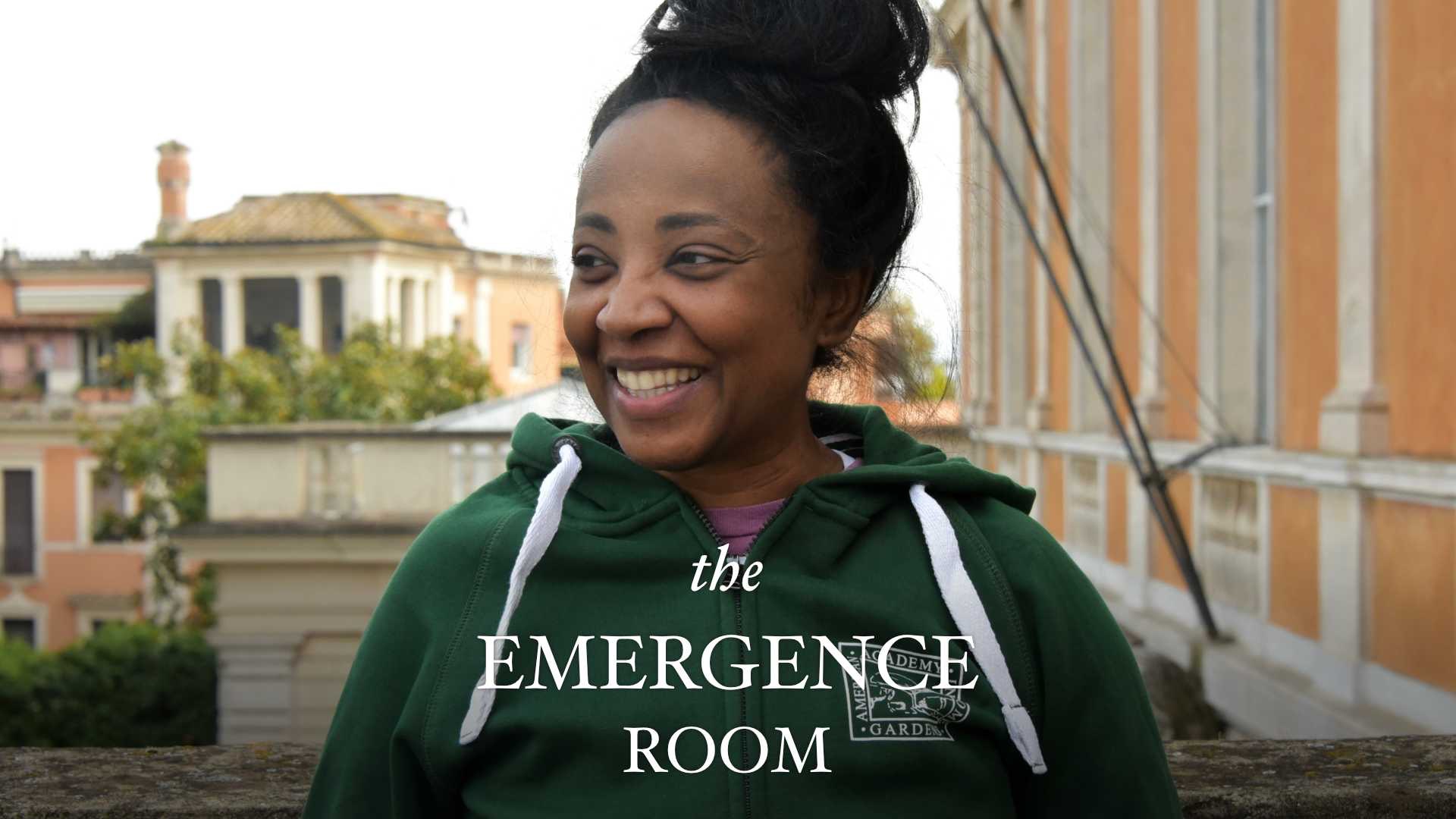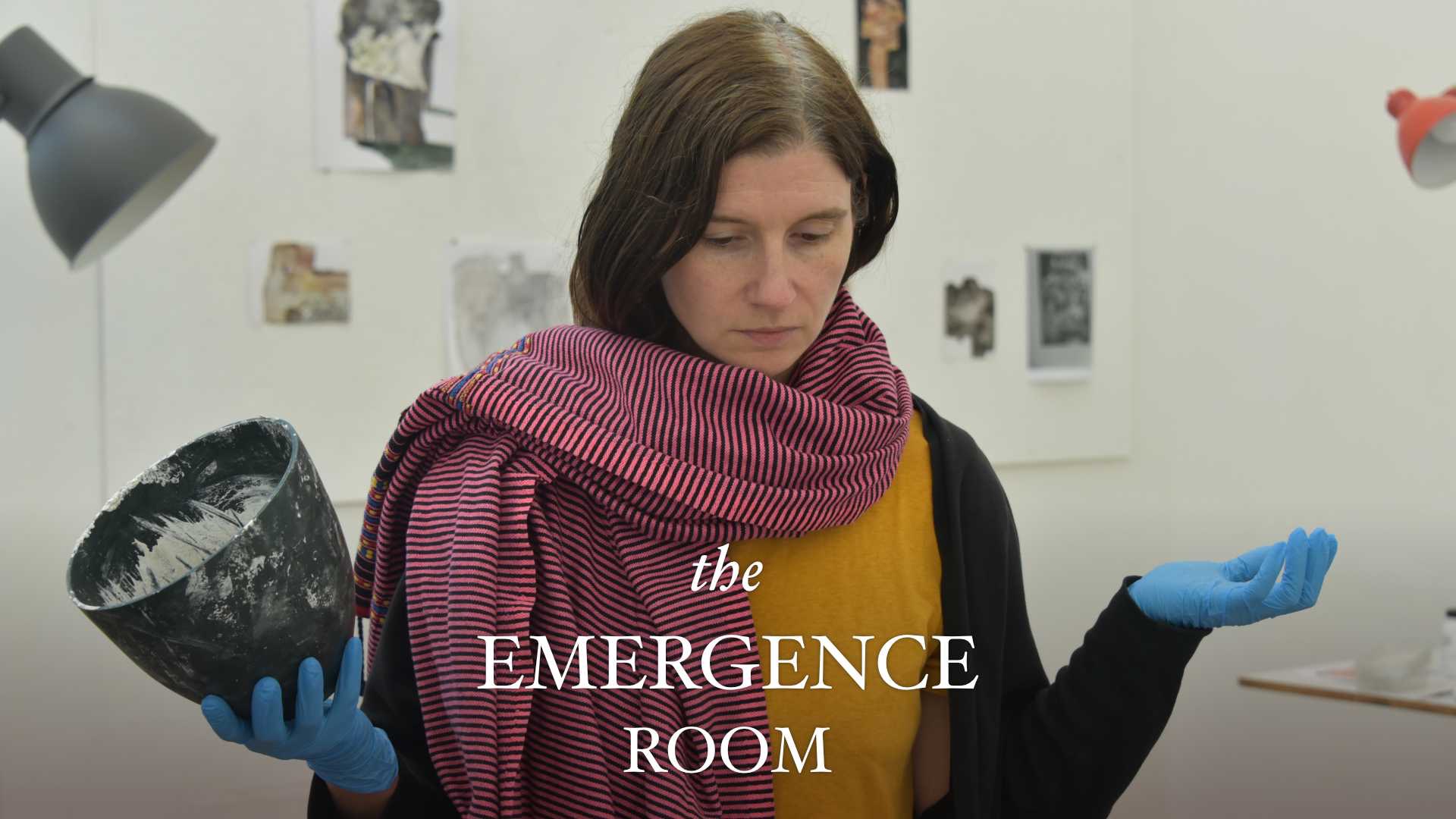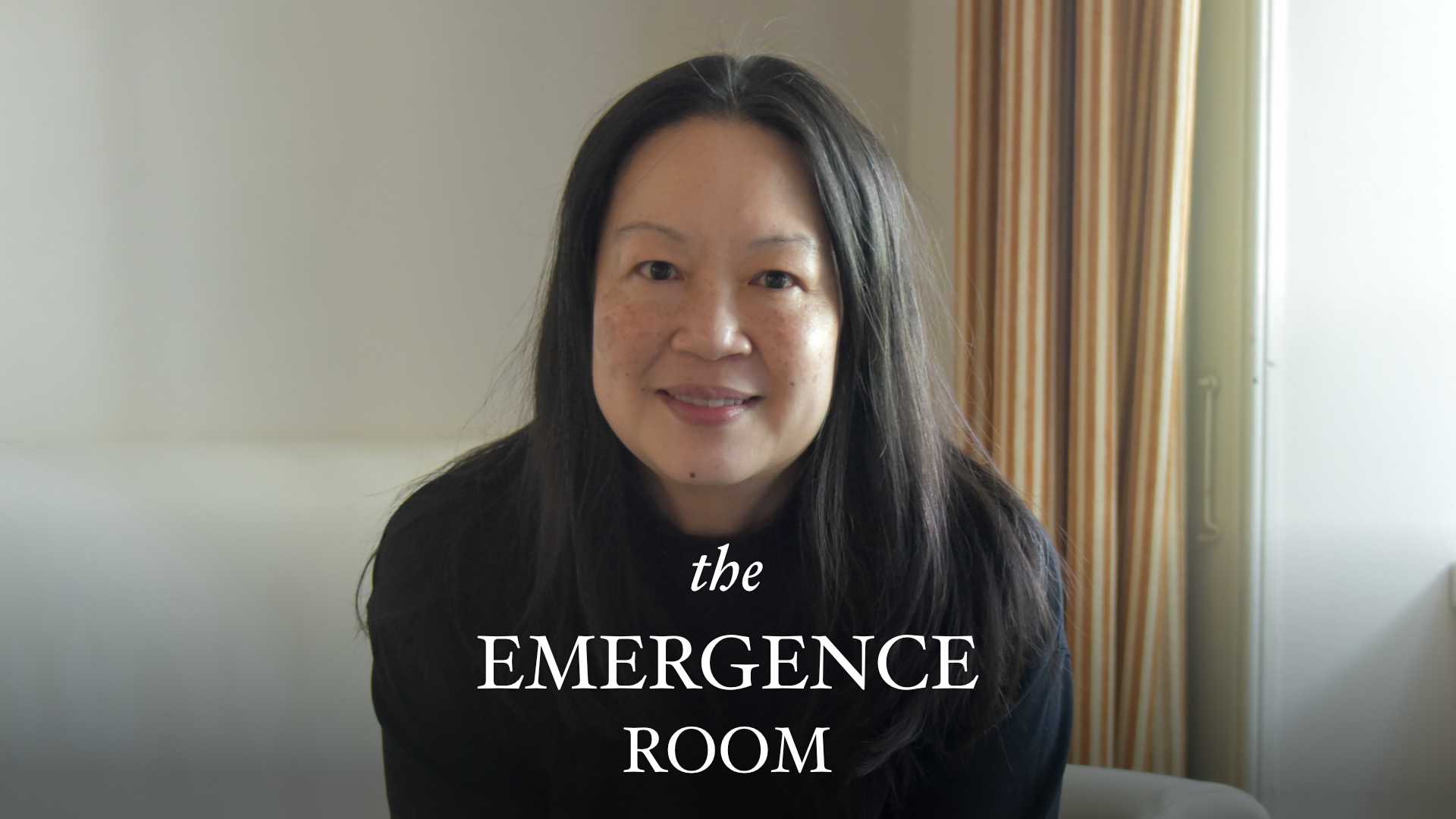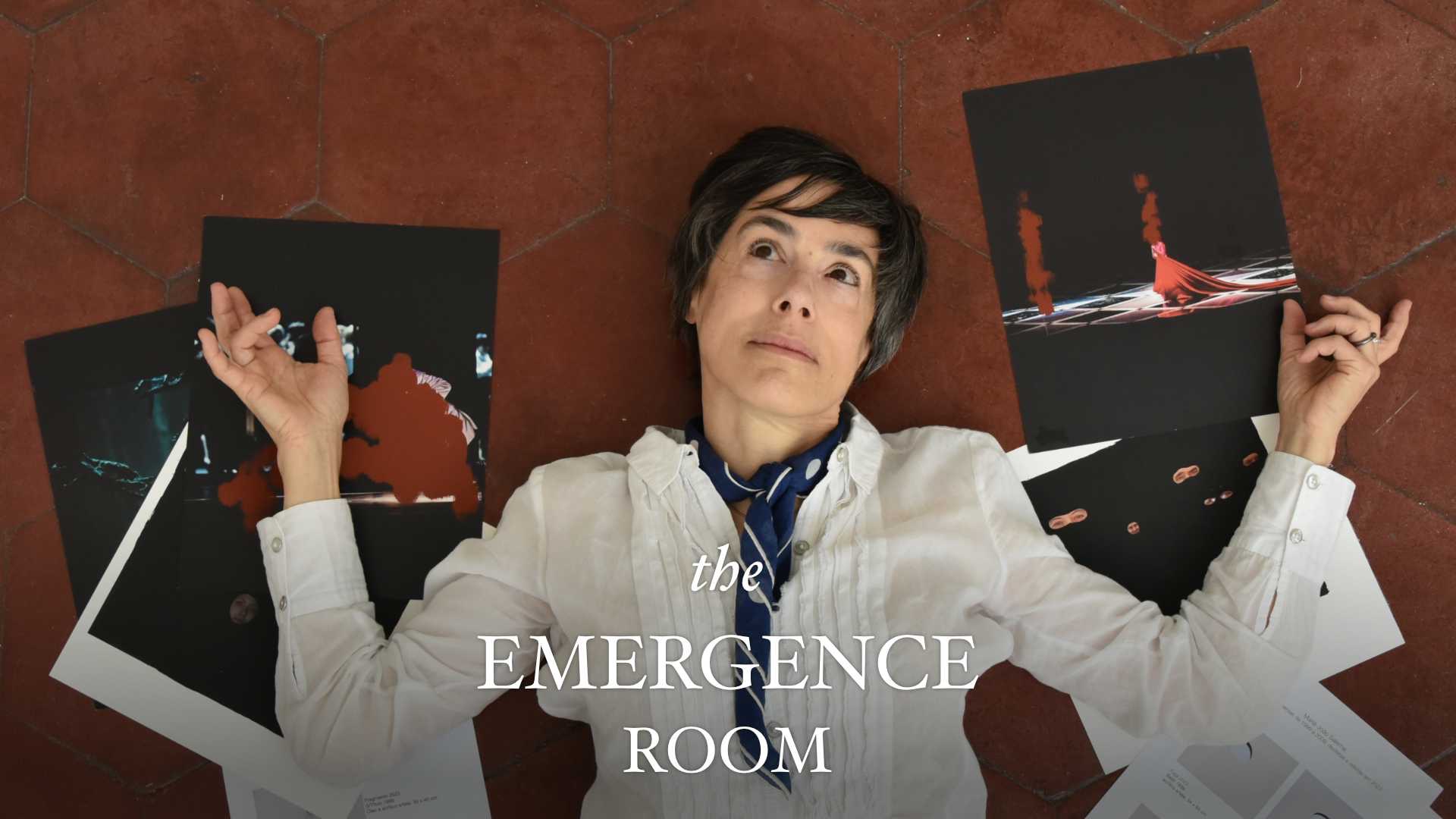
On this episode of The Emergence Room, Heather Hart joins us for a conversation about culminating our time as 2025–26 Rome Prize Fellows at the American Academy in Rome and what it means to carry that experience forward. Heather is an artist, Assistant Professor of Sculpture at Rutgers University, and co-founder of Black Lunch Table, a platform dedicated to supporting the histories, intellectual agency, and communities of Black artists.
Continue reading “Heather Hart”Michela Palermo
In this episode of The Emergence Room, we sit down with Michela Palermo, an artist, photographer, publisher, and the 2025–26 Fondazione Sicilia Affiliated Artist at the American Academy in Rome. She is also the founder of Palermo Publishing, an independent publishing project working across photography, visual art, and critical thought.
Continue reading “Michela Palermo”Adam Summers
On this episode of The Emergence Room, we had the pleasure of talking with Adam Summers, scientist, educator, explorer, and 2026 Rome Prize Fellow in Environmental Arts & Humanities at the American Academy in Rome. Adam can almost always be found somewhere around the Academy wearing one of his now iconic fish shirts, which at this point feel less like clothing and more like a long-running conceptual art piece disguised as field biology.
Continue reading “Adam Summers”Peter N. Miller
This is a very special episode of The Emergence Room. On this episode, we had the pleasure of speaking with Peter N. Miller, President and CEO of the American Academy in Rome, historian, scholar, and longtime advocate for interdisciplinary research and public intellectual life.
Continue reading “Peter N. Miller”Tameka Baba
On this episode of The Emergence Room, we are joined by Tameka Baba, a landscape architect, artist, curator, and Rome Prize Fellow at the American Academy in Rome. Tameka is also a Professional Practice Assistant Professor in Landscape Architecture at the Knowlton School at Ohio State University, where her work explores public space, ecology, community, and the transformation of overlooked urban landscapes.
Continue reading “Tameka Baba”Oswald Huỳnh
On this episode of The Emerence Room, we are joined by Oswald Huỳnh, a Vietnamese American composer from Portland, Oregon, and a fellow at the American Academy in Rome. Recently named a 2026 Guggenheim Fellow, Oswald’s work moves through questions of memory, heritage, language, identity, and the emotional textures carried across generations.
Continue reading “Oswald Huỳnh”Kendra Stephens
In this episode of The Emergence Room, I’m in conversation with Kendra-Nicole Stephens, a chef, mentor, and community-builder whose work lives at the intersection of craft, care, and purpose.
Continue reading “Kendra Stephens”Liz Glynn
In this episode of The Emergence Room, we sit down with Liz Glynn – a sculptor, performance artist, and current Rome Prize Fellow at the American Academy in Rome. Known for her work navigating endurance, material transformation, and the politics of labor, Glynn has been in Rome working with wax and plaster – materials that hold memory, pressure, and impermanence, echoing her ongoing interest in how bodies, histories, and systems leave their imprint.
Continue reading “Liz Glynn”Aliza Wong
On this episode of The Emergence Room, we are joined by Aliza Wong, Director of the American Academy in Rome and a professor of history at Texas Tech University, where she has spent over two decades teaching and mentoring students. Her scholarship centers on modern Italy and the Mediterranean, with a focus on race, nation, culture, and identity – nwork that feels deeply connected to the kinds of conversations she fosters in the spaces she leads.
Continue reading “Aliza Wong”João Salema
In this episode of The Emergence Room, we sit with João Salema, a fellow traveler whose practice feels as fluid and transient as the way she moves through the world.
Our conversation unfolds around living between places—between homes, cities, languages, and selves. We talk about what it means to build an art practice while constantly in motion, and how João makes objects appear, disappear, and reappear—both materially and emotionally.
Continue reading “João Salema”